Munect: A Modern Sans Serif for Web Design
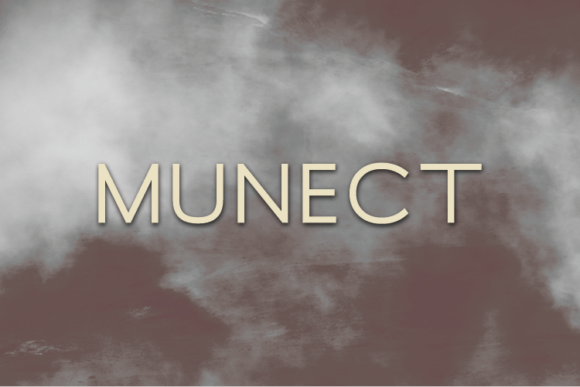
Munect is a sleek and sophisticated sans serif typeface that brings clarity and elegance to digital design. As a web designer, I rely on fonts that enhance readability while supporting strong visual hierarchy. Munect delivers both, making it an ideal choice for websites, landing pages, and digital branding projects.
Its clean lines and balanced proportions make it highly legible across screen sizes and resolutions. Whether you're designing a mobile-first interface or a desktop-focused layout, Munect adapts seamlessly. The font’s subtle contrast and open spacing ensure that text remains easy to scan, which is crucial for user engagement and conversion rates.
Visual Characteristics and Digital Appeal
Munect has a modern, minimalist aesthetic that aligns with current design trends. It avoids excessive ornamentation, focusing instead on simplicity and functionality. This makes it perfect for brands looking to project professionalism and sophistication without sacrificing approachability.
The font’s neutral yet stylish personality allows it to work well in a variety of contexts. From bold headlines to subtle body copy, Munect maintains a cohesive look that supports consistent brand identity. Its versatility extends beyond just typography—it becomes a key element in shaping the overall tone of a digital experience.
Applications in Web Design
Web designers often use Munect for headers, hero sections, and call-to-action buttons. Its sharp, structured form ensures that these elements stand out without overwhelming the page. For example, a creative portfolio site can use Munect for project titles, giving each section a polished and professional feel.
In online stores, Munect works well for product banners and promotional messages. Its clean appearance helps draw attention to key information, such as discounts or new arrivals. When paired with a simpler sans serif for body text, it creates a clear distinction between headings and content, improving navigation and readability.
For coaching or SaaS websites, Munect can be used in landing pages to highlight value propositions. Its strong presence makes it ideal for short, impactful phrases like "Start Your Free Trial" or "Learn More." These elements are critical for guiding users through the conversion funnel.
Readability and User Experience
On mobile screens, Munect performs exceptionally well. Its open letterforms prevent crowding, even at smaller sizes. This is especially important for buttons and navigation menus, where clarity directly impacts usability.
When used on dark backgrounds or image overlays, Munect retains its legibility thanks to its high contrast and consistent stroke widths. This makes it a reliable choice for social media graphics, email templates, and other digital assets that require visibility against varying backdrops.
Font Pairing and Design Flexibility
Munect pairs well with both serif and sans serif fonts, depending on the desired effect. For editorial designs, combining it with a serif font can add warmth and depth. For a more contemporary look, pairing it with a minimal sans serif enhances the modern aesthetic.
As a display font, Munect excels in headlines and logos. However, it also serves as a reliable body font when using lighter weights. This flexibility allows designers to maintain visual consistency throughout a project without sacrificing style or function.
Brand Identity and Consistency
Consistent typography is essential for building brand recognition. Munect offers a range of weights and styles, making it easy to create a unified visual language across different platforms. From website headers to app interfaces, it provides a cohesive foundation for digital experiences.
For boutique online stores or creative businesses, using Munect in logos and marketing materials reinforces a professional image. It communicates quality and attention to detail, which can influence customer trust and loyalty.
Practical Considerations for Web Use
Before implementing Munect in a web project, check the available file formats and webfont licensing options. Ensure that the font supports the languages and characters needed for your audience. Most premium fonts include extensive glyph sets, but it's always good to verify.
Commercial licensing is another important factor. If you're using Munect for client projects, online stores, or digital templates, confirm that the license covers these uses. Proper licensing protects both the designer and the end user from legal issues.
Ultimately, Munect is more than just a font—it's a tool for creating visually appealing and functional digital experiences. Its balance of style and practicality makes it a valuable addition to any designer’s toolkit. Whether you're working on a personal project or a large-scale brand initiative, Munect can help elevate your design work.