Ultramilf: A Stylish Serif Font
As a web designer, I'm always on the lookout for fonts that bring personality and clarity to digital projects. Ultramilf is a modern handwritten serif font that adds a cool vibe to any design. Its unique character makes it a valuable addition to any font library.
Visual Characteristics and Digital Appeal
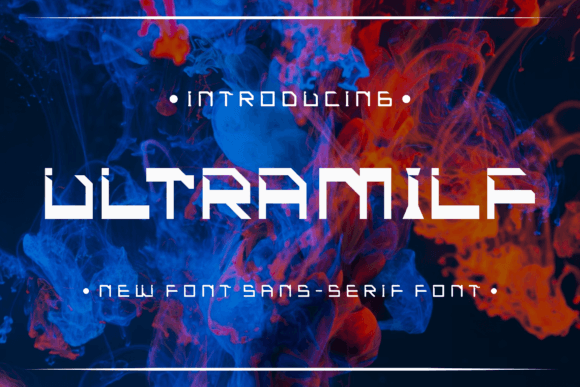
Ultramilf has a distinctive look with its flowing strokes and subtle irregularities. It combines the elegance of traditional serif fonts with the spontaneity of a handwritten style. This blend creates a fresh and contemporary feel that works well in both digital and print contexts.
The font's personality is friendly yet professional, making it ideal for brands that want to convey creativity without sacrificing sophistication. Its visual appeal is enhanced by the natural variation in letterforms, which gives each character a sense of movement and energy.
Applications in Web Design
Ultramilf shines in headers, hero sections, and call-to-action areas where bold and expressive typography is needed. It can be used to create eye-catching headlines that stand out on landing pages, product pages, or blog posts. The font's readability at larger sizes makes it perfect for titles and subheadings.
For online stores, Ultramilf can elevate banners and promotional graphics, adding a touch of personality to product displays. In coaching websites or course sales pages, it helps create a more engaging and approachable tone. Its versatility allows it to fit into various design styles, from minimalist to maximalist.
Readability and Visual Hierarchy
While Ultramilf is best suited for display purposes, it can also be used in short phrases and decorative accents. However, it's not recommended for long blocks of body text due to its intricate details, which may reduce legibility on small screens or low-resolution devices.
When using Ultramilf in web design, consider the context and size. On mobile screens, ensure that the font remains clear and easy to read. For dark backgrounds or image overlays, use high-contrast color combinations to maintain visibility.
Brand Tone and User Engagement
The font's unique style can help establish a strong brand identity. It conveys creativity and individuality, which can resonate with audiences looking for originality and authenticity. By using Ultramilf in logos, social media graphics, or editorial content, you can reinforce your brand's voice and values.
In conversion-focused layouts, Ultramilf can draw attention to key messages and CTAs. Its visual impact can encourage users to engage with your content, whether it's signing up for a newsletter, exploring a product, or visiting a portfolio site.
Font Pairing and Design Assets
To balance Ultramilf's ornate style, pair it with simpler fonts like sans serifs for body copy or other serif fonts for a cohesive look. This combination ensures that the design remains readable while maintaining visual interest.
When selecting fonts for a project, check the available styles, weights, and file formats. Ensure that the font supports multilingual characters if needed. Also, verify that the font is licensed for commercial use, especially when working on client projects or online stores.
Practical Use Cases
For a creative portfolio, Ultramilf can be used in project titles and section headings to add a personal touch. In a boutique online store, it can enhance product banners and category labels. On a blog header, it brings a sense of style and professionalism to the overall design.
For digital brand kits, Ultramilf offers a consistent and recognizable typographic element. Whether it's for packaging design, social media graphics, or email newsletters, the font maintains a cohesive look across different platforms.
Commercial Licensing and Webfont Availability
When using Ultramilf in web projects, make sure to purchase the appropriate license. This includes rights for websites, client projects, and digital templates. Always check the terms of use to avoid any legal issues.
Many premium fonts offer webfont versions that can be easily integrated into CSS. This allows for smooth rendering across different browsers and devices. If available, use the webfont format to ensure optimal performance and compatibility.